How to Integrate Regenerative Organic Living Systems With Your Current Garden
By Jeremy Standring
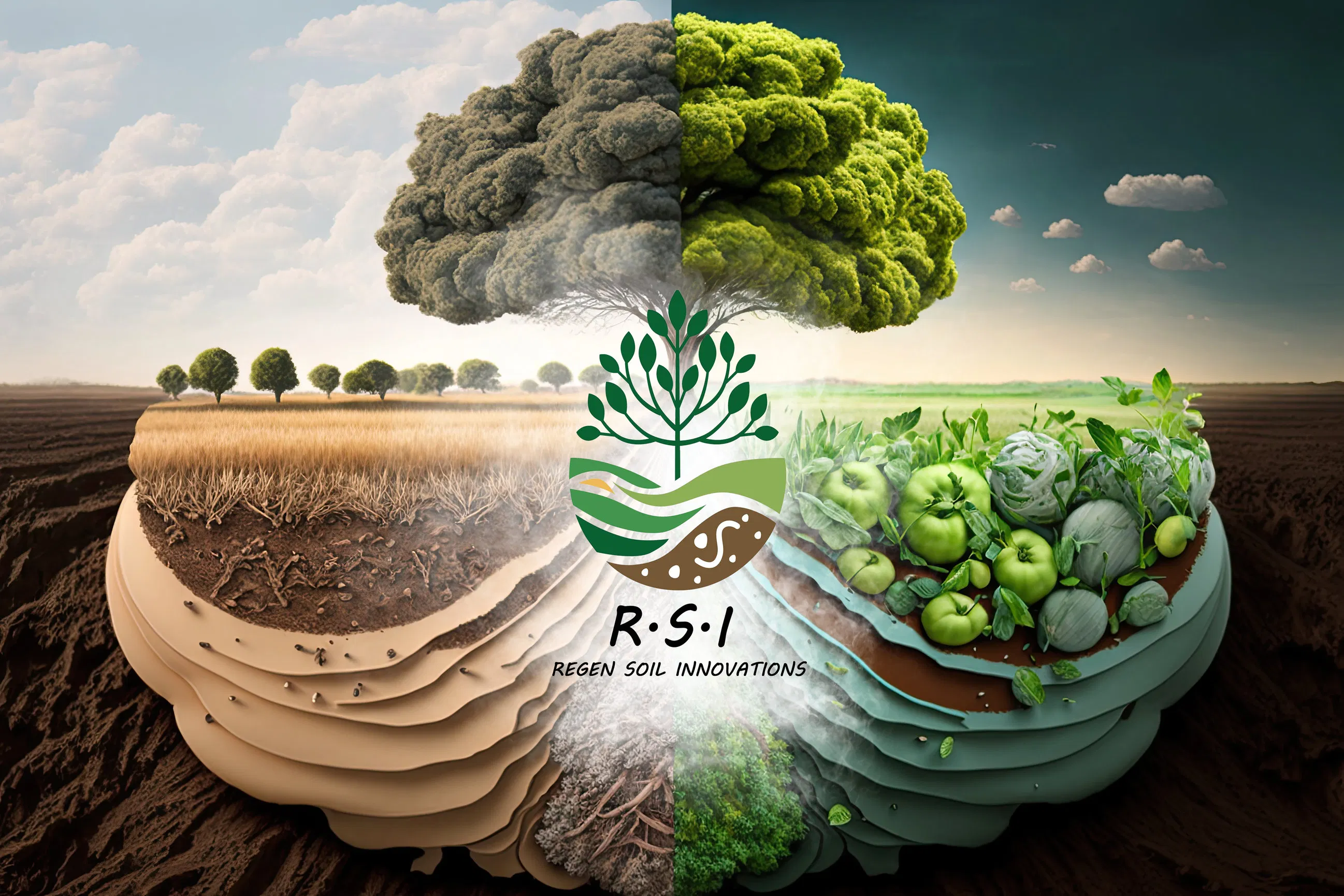
So, you’ve heard the buzzwords. Regenerative agriculture, living soil, and microbial diversity are the talk of the town, and for good reason. But if you’re looking at your current garden, perhaps a collection of raised beds, a few rows of tomatoes, and a shelf full of blue-liquid fertilizers, the idea of "restoring an ecosystem" might feel a bit like trying to rebuild an engine while the car is still moving.
The good news? You don't have to bulldoze your backyard to start. Integrating Regenerative Organic Living Systems is less about starting over and more about shifting your management from a "chemistry-first" approach to a "biology-first" mindset.
At Regen Soil, we specialize in helping people make this transition. Whether you are a patio gardener or managing a small homestead, the principles of soil restoration remain the same: we stop the harm, bring back the life, and then get out of the way.
What Exactly Is a Regenerative Organic Living System?
Before we dig in, let’s define what we’re actually doing here. Traditional gardening often treats soil as a dead medium, a sponge designed to hold synthetic NPK (Nitrogen, Phosphorus, Potassium) until the plant sucks it up.
A Regenerative Organic Living System views the soil as a living, breathing digestive tract for the planet. In this system:
- Microorganisms (bacteria, fungi, protozoa) are the primary workers.
- Nutrient cycling happens naturally as microbes consume organic matter and "poop" out plant-available food.
- Carbon sequestration is a byproduct of healthy biology pulling CO2 from the air and locking it into the ground as stable humus.
In short, we aren't just growing plants; we are cultivating an underground livestock of billions. If you feed the soil, the soil will feed the plants.
Step 1: The "Cease and Desist" Order
The first step in any soil restoration project is to stop killing the help. Most modern garden practices are, frankly, quite violent toward soil biology.
Stop the Tilling
Every time you turn the soil with a rototiller or a spade, you are effectively performing a "Category 5 Hurricane" on the fungal networks (mycelium) that act as the internet of your garden. We recommend moving to a no-dig or low-disturbance model. If your soil is compacted, use a broadfork to gently aerate without flipping the layers.
Ditch the Synthetics
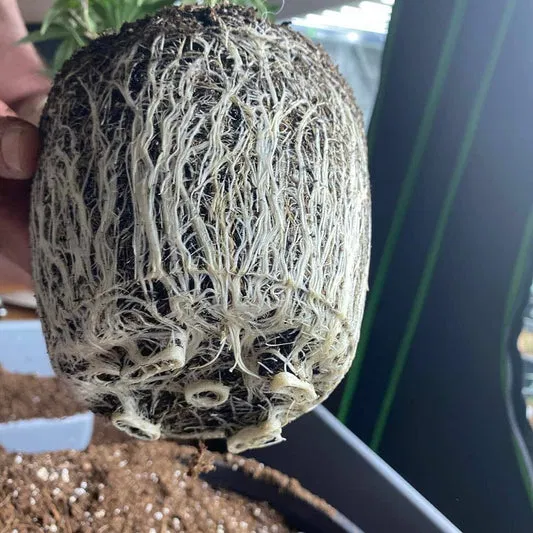
Synthetic fertilizers are like "plant steroids." They provide a quick hit of growth but act as salts that dehydrate and kill the delicate microbes in your soil. When you stop using synthetics, you force the plant to go back to its natural "trade" relationship with microbes, giving up sugars (exudates) in exchange for minerals.
Observe Your Ecosystem
Spend a week just watching. Where does the water pool? Where are the pests congregate? This is the "Initial Assessment" phase. If you want to get serious, our Initial Soil Health Assessment provides a roadmap based on your specific soil chemistry and biology.
Step 2: Re-Inoculate with Life (The Rhizo Logic® Method)
If your garden has been treated with chemicals or tilled for years, the "good guys" might be missing in action. You can’t just add compost and hope; sometimes you need to jumpstart the engine.
This is where Rhizo Logic® comes in. Our products are formulated to reintroduce the specific microbial populations required for a thriving ecosystem.
- Rhizo Logic™ Living Soil: This isn't just "dirt." It's a biologically supercharged medium teeming with beneficial microorganisms. You can integrate this by top-dressing your existing beds or using it to fill new planting holes.
- The Microbial "Boost": By adding concentrated microbial inoculants, you are essentially "hiring" a specialized workforce to handle nutrient cycling, disease suppression, and water retention.
Pro Tip for Beginners: If you’re overwhelmed, start with our Living Soil Patio Pro Kit. It’s a "garden-in-a-box" that demonstrates exactly how these systems work on a manageable scale.
Step 3: Build a Habitat (Mulch and Cover Crops)
Microbes are like us: they need food, water, and shelter. Bare soil is a disaster for a living system, it’s prone to erosion, UV sterilization, and temperature swings.
The "Armor" of Mulch
Never leave your soil naked. Cover it with organic mulch like straw, shredded leaves, or wood chips. This protects the soil structure and provides a slow-release food source for your underground livestock.
Living Roots Year-Round
In a forest, you never see bare ground. Regenerative systems use cover crops (like clover or vetch) to keep living roots in the soil even when you aren't growing "cash crops."
- Why? Roots pump carbon (sugars) into the soil, keeping the microbes fed through the winter.
- The "Chop and Drop": When it’s time to plant your veggies, simply cut the cover crop at the base and leave the greens on the surface to rot. This is nature’s fertilizer.

Guidance for Different Growers
For the Beginner (The "Patio" Pro)
Don't worry about acres of land. You can practice regenerative agriculture in a 5-gallon pot. Focus on using a high-quality living soil and avoiding any chemical "miracle" sprays. Use our Rhizo Logic™ Living Soil and watch how much more resilient your plants become to heat and pests.
For the Experienced Gardener
If you’ve already got the basics down, it’s time to look at microbial diversity. Start experimenting with compost teas or extracts. Get a microscope and actually see the fungal-to-bacterial ratio in your beds. This level of detail allows for precision "restoration" of specific nutrient pathways.
For Commercial Operations
Transitioning a larger farm requires a "systems-thinking" approach. We work with land managers to implement grazing rotations and large-scale cover cropping that reduces dependency on expensive external inputs while increasing the vitality of the land. Check out the RSI Method for our professional framework.
The "Why" Behind the "How": Deep Dive into Fungal Networks
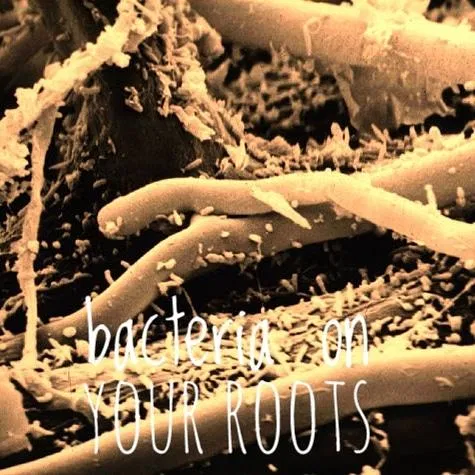
You might be wondering, "Why is tilling so bad if I’m adding compost?" It comes down to Arbuscular Mycorrhizal Fungi (AMF). These fungi form a symbiotic relationship with plant roots, effectively extending the root system by up to 100 times.
When you till, you chop these "hyphae" (fungal threads) into pieces. While the bacteria might bounce back quickly (they love the burst of oxygen), the fungi take months or years to rebuild. Without them, your plants lose their primary defense against drought and their best way to access phosphorus.
FAQ: Transitioning to Living Systems
Q: Will I see results immediately?
A: You’ll likely see a change in plant health within a few weeks, especially if you use a concentrated inoculant. However, true soil restoration, the building of deep, stable humus, is a multi-year journey.
Q: Is "Living Soil" the same as "Organic Soil"?
A: Not necessarily. "Organic" just means the ingredients aren't synthetic. "Living" means those ingredients are currently being actively digested by a diverse population of microbes. You can have organic soil that is biologically "dead."
Q: Do I still need to weed?
A: Yes, but you'll do it differently. Instead of pulling everything and leaving bare dirt, you’ll focus on suppressing weeds with mulch and "living mulches" (low-growing cover crops). Over time, healthy soil biology actually discourages many common garden weeds that thrive in degraded, high-nitrate environments.
Final Thoughts: Harmony With Nature
Integrating Regenerative Organic Living Systems isn't just a trend; it's a return to the way the Earth has managed itself for millions of years. By shifting our role from "command and control" to "facilitate and support," we create gardens that are more productive, more resilient, and: most importantly: more alive.
Ready to start your restoration journey? Browse our Rhizo Logic® collection or reach out to us for a custom consultation. Let’s stop fighting the soil and start growing with it.
Have questions about your specific garden setup? Leave a comment below or contact us for a deep dive into your soil health!


