Are You Making These Common Living Soil Mistakes? Our Experts Tackle Your Hardest Soil Health Questions

By Jeremy Standring
Transitioning from conventional gardening or industrial farming to regenerative agriculture requires more than just swapping out a jug of blue liquid fertilizer for a bag of compost. It requires a fundamental shift in perspective. At Regen Soil, we often tell our clients that they are no longer "growing plants": they are "managing an ecosystem."
When you embrace a living soil approach, you are stepping away from the "chemical-in, crop-out" model and moving toward a biological partnership. However, this transition is often paved with well-intentioned mistakes that can stall your progress. Whether you are a backyard enthusiast using our Full Living Soil Patio Kit or a commercial operator managing hundreds of acres, understanding these common pitfalls is essential for long-term soil restoration.
In this deep dive, we will address the most frequent hurdles our consultants encounter and provide the scientific context you need to overcome them.
The Paradigm Shift: From "Dirt" to "Living Soil"
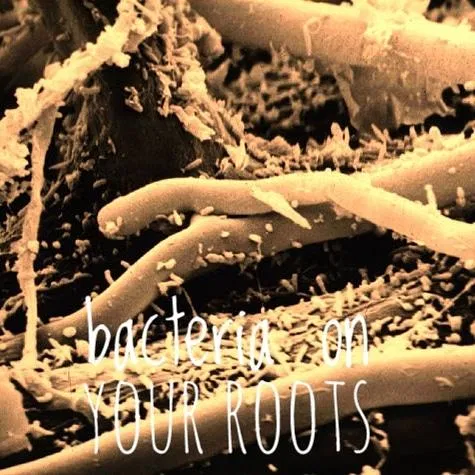
Before we dive into the mistakes, we must define the medium. Conventional "dirt" is often treated as an inert substrate: merely a place for roots to hold on while we pump in synthetic nutrients. Living soil, specifically our proprietary Rhizo Logic® blend, is a complex community of bacteria, fungi, protozoa, and beneficial nematodes.
These organisms perform nutrient cycling, creating a bridge between the minerals in the soil and the roots of your plants. When this system is functioning correctly, the soil "feeds" the plant on demand, leading to higher nutrient density and increased pest resistance.
1. The "Feeding" Fallacy: Treating Microbes Like Synthetic Inputs
The Mistake: Many growers treat organic amendments and biological inoculants exactly like synthetic fertilizers: applying them only when the plant looks "hungry."
The Why: In a regenerative system, we aren't just feeding the plant; we are feeding the soil food web. If you only apply biology or organic matter when symptoms appear, you’ve already missed the window for establishing the infrastructure of the plant’s immune system.
The Solution: Focus on consistent, long-term carbon inputs. We recommend maintaining a steady supply of organic matter (like high-quality compost) and using specialized biological boosters. For example, while Rhizo Logic® provides the foundational living community, products like Ultra Bio-Boost (a Terrabiotics formulation) act as a microbial recharge, ensuring that the populations of beneficial bacteria remain high throughout the growing season.
2. Hydroponic Habits: The Overwatering Trap
The Mistake: Watering living soil with the same frequency and volume as one would water a sterile, peat-based potting mix or a hydroponic system.
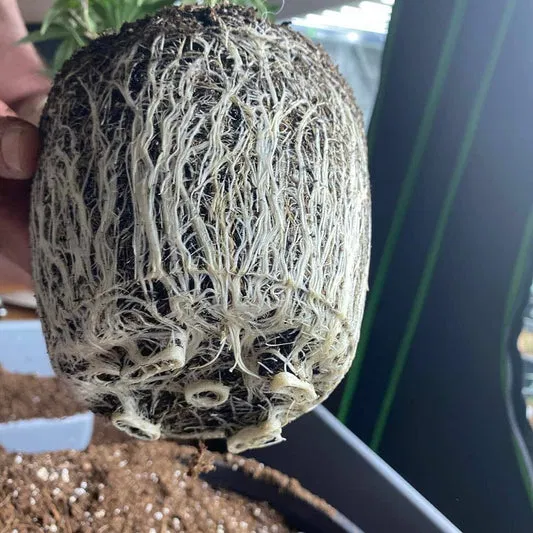
The Why: Living soil, particularly those enriched with bio-char and high-quality organic matter, has a much higher water-holding capacity and different pore structure than inert media. Chronic saturation leads to anaerobic conditions (lack of oxygen). This literally drowns your beneficial aerobic microbes and invites pathogens like Pythium (root rot).
The Solution:
- The Finger Test: For patio gardeners, never water on a schedule. Insert your finger two inches into the soil; if it feels moist, wait.
- Deep Watering: We advocate for watering less often but more deeply. This encourages roots to dive deeper into the soil profile, seeking out the microbial colonies established in the lower layers of your Rhizo Logic® Living Soil.
3. The Salt Stimulus: Mixing Synthetics with Biology
The Mistake: Attempting a "hybrid" approach by using high-salt synthetic fertilizers alongside living soil products.
The Why: This is perhaps the most critical error. Synthetic fertilizers are essentially salts. High concentrations of these salts create osmotic pressure that can literally dehydrate and kill soil microbes. Furthermore, when a plant is "force-fed" easily available synthetic nitrogen, it stops exuding the carbon-rich sugars (exudates) that microbes depend on. You essentially starve your workforce.
The Comparison: Synthetic vs. Living Soil
| Feature | Synthetic Approach | Living Soil (Rhizo Logic®) |
|---|---|---|
| Nutrient Delivery | Instant, but temporary | Slow-release, on-demand |
| Soil Structure | Degrades over time | Improves via fungal hyphae |
| Plant Health | Fast growth, often "watery" | Robust, nutrient-dense |
| Microbial Life | Suppressed/Killed | Thriving/Diverse |
4. Disturbance and Tillage: Breaking the Fungal Network
The Mistake: Thinking that "fluffing up" the soil through tilling or aggressive digging helps aeration.
The Why: While it may look "clean," tillage is a catastrophic event for soil biology. It physically shears the delicate networks of mycorrhizal fungi that transport water and phosphorus to your plants. It also introduces a massive flush of oxygen that causes microbes to burn through organic matter too quickly, releasing carbon into the atmosphere instead of sequestering it in the ground.
The Solution: Adopt no-till or minimum-disturbance practices. Use your Initial Soil Health Assessment to determine if your soil is truly compacted. If it is, use biological tools (like deep-rooting cover crops) or targeted broad-forking rather than mechanical tilling to open up the structure.
For the Beginners: Starting Your Living Soil Journey
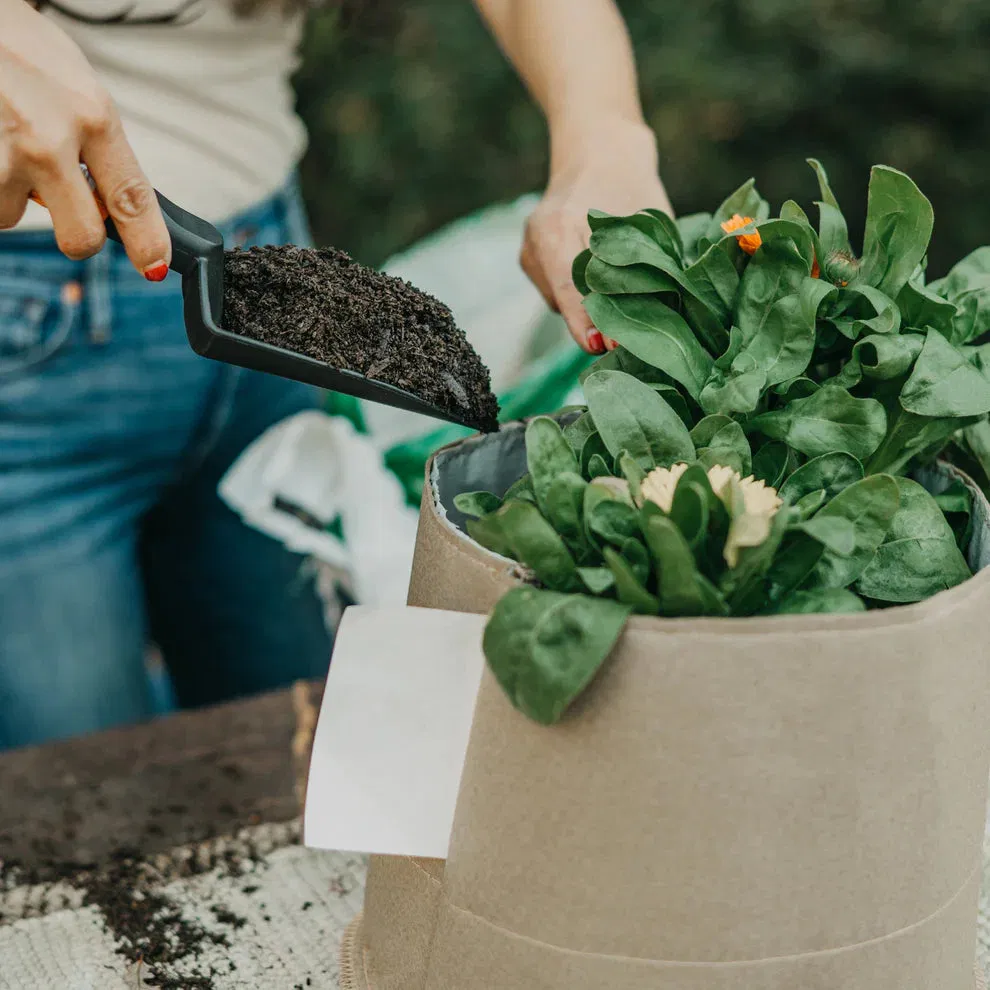
If you are new to this, don't be overwhelmed. The easiest way to avoid these mistakes is to start with a controlled environment. Our Full Living Soil Patio Kit is designed specifically to guide you through the process. It includes:
- 5 Gallons of Rhizo Logic® Living Soil: Pre-inoculated and balanced.
- Grass Roots Fabric Pot: Provides the necessary aeration to prevent the "overwatering trap."
- Seeds & Consult: We include a 10-minute video consultation to ensure you start with the right mindset.
For the Professionals: Advanced Systems Thinking
For commercial operations, the mistakes often involve monocropping and bare fallows. In a regenerative system, "nature abhors a vacuum." Leaving soil bare between harvests allows the sun to bake the surface microbes and leads to massive erosion.
We recommend:
- Diverse Cover Cropping: Use a mix of grasses, legumes, and brassicas to provide a varied diet for your soil microbes.
- Continuous Living Roots: Keep something growing at all times to keep the microbial "pump" active.
- Data-Driven Adjustments: Don't guess; use an Initial Soil Health Assessment to get a roadmap of your soil's unique biological and chemical needs.
FAQ: Your Hardest Soil Health Questions Answered
Q: Can I "fix" my old garden soil by just adding Rhizo Logic® on top?
A: Yes and no. While adding high-quality living soil provides a biological "jumpstart," true restoration requires addressing why the soil became depleted in the first place. We recommend a "top-dress" approach combined with removing synthetic inputs to let the new biology migrate downward.
Q: Why does my living soil smell "sour"?
A: A sour or "rotten egg" smell is a clear indicator of anaerobic conditions (Mistake #2). This means the soil is too wet and the "bad" bacteria are taking over. Stop watering immediately, increase aeration, and consider a light application of a biological booster like Ultra Bio-Boost to re-establish aerobic dominance.
Q: Is mulch really necessary?
A: Absolutely. Think of mulch as the "skin" of the soil. It regulates temperature, retains moisture, and provides a slow-release food source for the larger organisms in the soil food web, like earthworms.
Conclusion: The Path to Regeneration
Reversing topsoil depletion isn't just a global necessity; it's a personal journey for every grower. By avoiding these common mistakes: overwatering, over-fertilizing with synthetics, and over-tilling: you allow nature to do what it does best: create life.
At Regen Soil, we are here to be your partners in this transformation. Whether you're looking for Expert Soil Health Consulting or just starting out with your first patio bag, we provide the science-backed tools to help you succeed.
Have a question we didn't cover? Drop a comment below or reach out for a personalized consultation. Let’s grow something better, together.


