
Are You Making These Common Soil Restoration Mistakes? Our Experts Answer Your Top FAQs
By Jeremy Standring
At Regen Soil, we spend most of our days looking at dirt: or, more accurately, we look at the complex, thriving ecosystems that should be there. When we talk to growers who are struggling to revitalize their land, we often see a recurring pattern. They aren't failing because they lack effort; they are failing because they are treating regenerative agriculture like a chemistry set rather than a biological system.
Soil restoration is a marathon, not a sprint. It requires a fundamental shift from "What do I need to kill or add?" to "How do I support the life that’s already trying to grow?" If you’ve been pouring money into amendments without seeing the vibrant, resilient growth you expected, you might be falling into some common traps.
1. Treating Soil as a "Nutrient Bucket"
The most prevalent mistake we encounter is the Nutrient Bucket Fallacy. This is the belief that soil is simply a sterile medium meant to hold Nitrogen, Phosphorus, and Potassium (N-P-K).
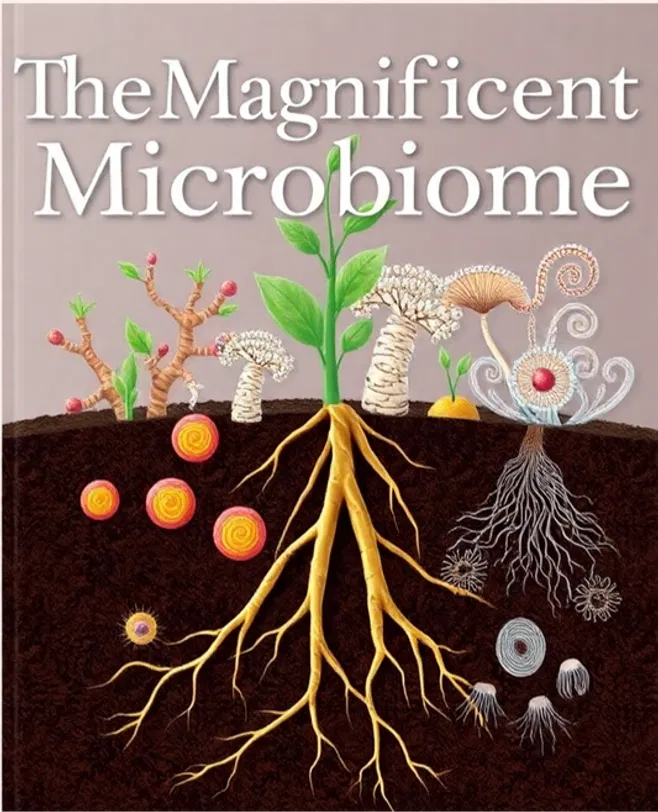
The Technical Reality: In a healthy ecosystem, plants don't just "eat" minerals from the soil. They engage in a sophisticated exchange with the living soil microbiome. Plants exude carbon-rich sugars into the root zone to "buy" nutrients from bacteria and fungi. When you rely solely on synthetic, high-salt fertilizers, you essentially put the microbes out of work. This breaks the natural nutrient cycling and leaves your soil structure brittle and dependent on chemical life support.
The Fix: Focus on the biology first. By using products like Rhizo Logic® Living Soil, you are introducing a pre-colonized ecosystem that handles the heavy lifting of nutrient delivery naturally.
2. Skipping the Initial Assessment
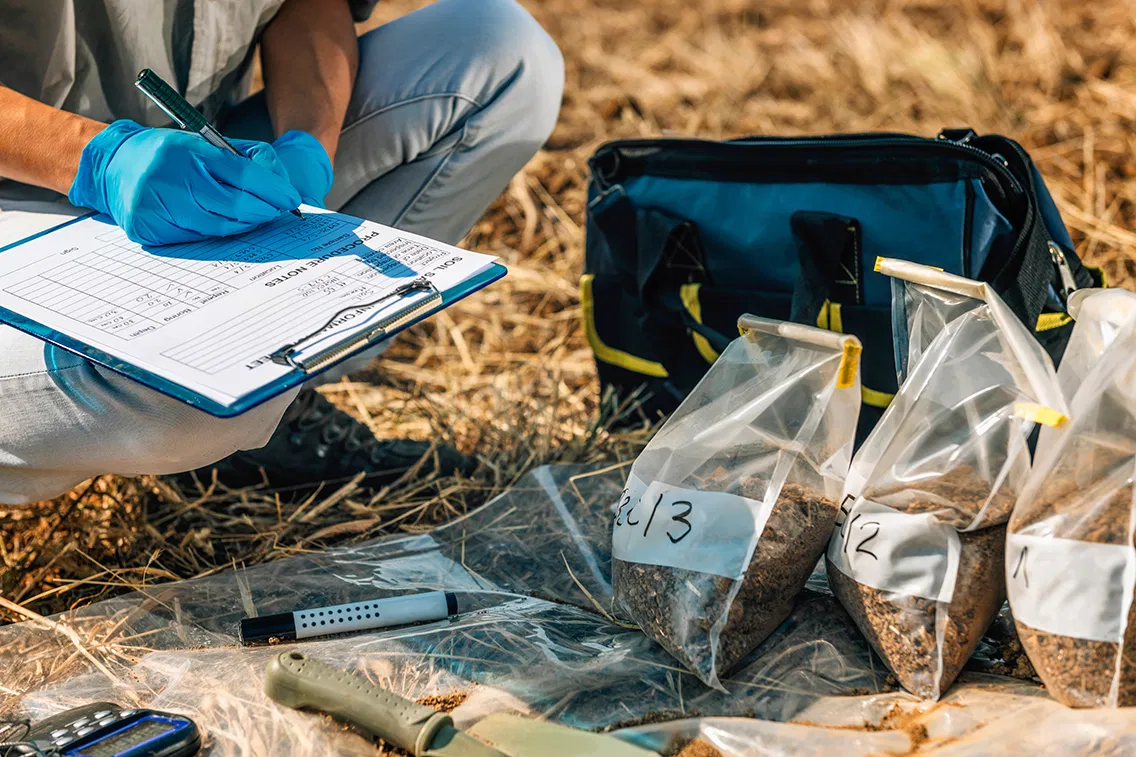
We often see growers buy thousands of dollars in lime, gypsum, or specialized compost without ever performing a proper Initial Soil Health Assessment (ISH). Guessing what your soil needs is like a doctor prescribing surgery without taking an X-ray.
Why it Hurts: You might be adding lime to soil that is already alkaline, or adding phosphorus to soil that has plenty of it: it’s just "locked up" by a lack of microbial activity. Without a baseline, you cannot measure progress.
Our Systems-Thinking Approach: We recommend a professional ISH assessment to look at the physical, chemical, and biological markers of your land. This isn't just about pH; it’s about understanding the Rhizosphere dynamics and the fungal-to-bacterial ratios that dictate how well your plants will thrive.
3. The "Clean Field" Obsession (Leaving Soil Bare)
Nature abhors a vacuum, and it especially hates bare soil. One of the biggest mistakes in soil restoration is leaving the ground exposed to the elements between growing seasons or during the "rehab" phase.
The Impact:
- UV Damage: Direct sunlight kills the delicate microbes in the top inch of soil.
- Erosion: Without roots to hold it together, your best topsoil washes away in the first rain.
- Capping: Rain hitting bare soil creates a hard crust (capping) that prevents oxygen and water from reaching the roots.
The Fix: Always keep it covered. Use cover crops, or at the very least, a thick layer of organic mulch. Roots are the "solar panels" that pump liquid carbon into the soil to feed your living soil community.
4. Over-Tilling and Destroying Fungal Networks
We get it: the look of a freshly tilled, dark, crumbly field is satisfying. But that fluffy texture is an illusion. Heavy tillage is essentially an earthquake and a hurricane combined for soil organisms.
Deep Dive into Mycorrhizae: Most plants rely on Mycorrhizal fungi to extend their root reach and find water. These fungi form long, delicate threads called hyphae. When you till, you shred these networks into millions of pieces. While bacteria might recover quickly, the fungal community: the backbone of soil structure and carbon sequestration: can take years to rebuild.
The Alternative: Move toward low-till or no-till systems. Use biological tools like "Bio-boost" (a Terrabiotics product) to help stimulate the existing biology to loosen the soil for you. Ultra Bio-boost Soil Recharge is designed to kickstart this process without the need for heavy machinery.
5. Impatience: Expecting Overnight Miracles
Degrading soil usually takes decades of mismanagement. You cannot reverse that in a single weekend. We often see growers give up on regenerative agriculture because they didn't see a 200% yield increase in the first three months.
The Timeline of Restoration:
- Year 1: Establishing the microbiome and breaking up compaction.
- Year 2: Observing improved water retention and fewer nutrient deficiencies.
- Year 3-5: Achieving a stable, self-regulating ecosystem where external inputs are minimized.
Systems-Thinking: Case Study of a Success Story
We recently worked with a mid-sized operation that had "dead" soil: compacted clay with nearly zero organic matter. They were spending a fortune on synthetic N-P-K but their crops were stunted.
The RSI Method in Action:
- Stop the Bleeding: We eliminated high-salt fertilizers and ceased tillage.
- Inoculation: We introduced Rhizo Logic® to re-establish the microbial baseline.
- Stimulation: We used Terrabiotics' Bio-boost to feed the new microbial populations.
- Monitoring: We used digital sensors to track moisture and EC levels in real-time.
The Result: Within 18 months, the organic matter increased by 1.2%, and the farmer reported a 30% reduction in water usage because the soil's water-holding capacity had drastically improved.

Expert FAQ: Your Top Soil Restoration Questions Answered
Q: Can I use Rhizo Logic® with my current liquid fertilizers?
A: We recommend caution. High concentrations of synthetic salts can dehydrate and kill the very microbes you are trying to introduce. If you must use liquid nutrients, we suggest diluting them significantly and focusing on organic-based options that support living soil rather than suppressing it.
Q: How do I know if my soil is actually "healthy"?
A: Look for the "Three S's": Structure, Smell, and Sight.
- Structure: Does the soil crumble like chocolate cake, or is it hard like a brick?
- Smell: Healthy soil should have a rich, earthy scent (caused by geosmin from actinobacteria). A sour or "rotten egg" smell indicates anaerobic conditions.
- Sight: Do you see earthworms? Are the roots white and fuzzy (indicating a healthy rhizosphere)?
Q: What is the difference between Rhizo Logic and Bio-boost?
A: It’s a matter of "The Workers" vs. "The Lunch."
- Rhizo Logic® (Living Soil) provides the actual microbial workforce: the bacteria and fungi that drive the ecosystem.
- Bio-boost (by Terrabiotics) is a soil recharge product that provides the specialized nutrition and stimulants needed to wake up and feed those microbes. Using them together as part of a managed system is the gold standard for restoration.
Q: Is soil restoration possible in heavy clay or sandy soils?
A: Absolutely. In fact, these are the areas that benefit most from biological intervention. In clay, microbes help create "aggregates" that allow air and water to move. In sand, the organic glues (like glomalin) produced by fungi help hold water and nutrients that would otherwise wash away.
Q: Do I really need a lab test, or is a DIY kit enough?
A: For a home garden, a DIY kit is a fun start. However, for anyone serious about regenerative agriculture or commercial production, a lab-based Initial Soil Health Assessment is vital. It provides the technical depth needed to understand trace mineral imbalances and microbial health that a color-changing strip simply can't detect.
Ready to Restore Your Land?
Restoring soil is the most rewarding work we do. It’s about more than just growing plants; it’s about healing the planet from the ground up. Whether you are a beginner looking for a Patio Pro Kit or a commercial grower needing a full-scale restoration plan, we are here to help.
Have a question about your specific soil type? Drop a comment below or contact our consulting team. We’d love to help you stop making mistakes and start growing living soil.


