
7 Mistakes You’re Making with Regenerative Farming Practices (and How to Fix Them with Living Soil)
By Jeremy Standring
Regenerative agriculture is more than just a buzzword; it is a fundamental shift in how we interact with the land. At Regen Soil, we have spent years observing the transition from conventional, chemical-dependent farming to biological, self-sustaining systems. While the transition is rewarding, it is fraught with common pitfalls that can stall your progress or even lead to systemic failure.
Most growers jump into regenerative practices with good intentions but often overlook the underlying biological principles that make these systems work. We see it every day: enthusiasts planting cover crops without assessing soil health first, or commercial operations adding expensive biology without providing the environment those microbes need to survive.
To help you navigate this journey, we have identified the seven most common mistakes in regenerative farming and provided the science-backed "living soil" fixes to get your operation back on track.
1. Skipping the Initial Soil Health Assessment (ISH)
The most frequent mistake we encounter is the "guess and check" method. Growers often implement regenerative practices, like no-till or composting, without knowing their starting point. If you don't know your soil's current microbial density or nutrient availability, you are essentially flying blind.
The Fix: We always recommend starting with a comprehensive Initial Soil Health Assessment (ISH). This isn't just a standard N-P-K test. An ISH analyzes the biology, the structure, and the chemical balance of your soil through the lens of the RSI Method. By understanding the specific needs of your land, we can tailor a restoration strategy that avoids wasted inputs and targets the exact microbial deficiencies in your fields.
2. Treating "Living Soil" as a Product, Not a Process
Many growers believe that simply buying a bag of high-quality soil is enough to fix their problems. While products like our Rhizo Logic® Living Soil are incredibly potent tools, they are part of a living ecosystem. If you apply living soil but continue to use synthetic fungicides or high-salt fertilizers, you are essentially killing the very biology you just introduced.
The Fix: Think of Rhizo Logic® as an inoculation of beneficial life. To fix this mistake, you must foster an environment where these microbes can thrive. This means maintaining moisture, avoiding soil compaction, and providing diverse organic matter for the microbes to consume. Living soil is a biological legacy; it builds on itself over time if managed correctly.

3. Over-Tilling and Disrupting the Rhizosphere
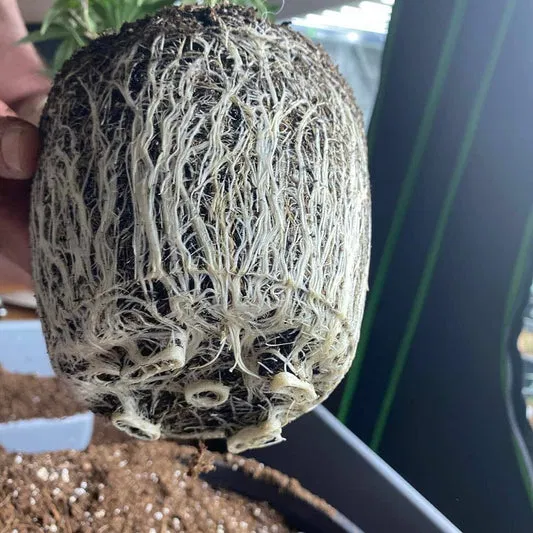
The Rhizosphere is the area of soil immediately surrounding plant roots where the most intense biological activity occurs. Conventional farming relies on tilling to prepare beds, but in a regenerative system, tilling is destructive. It shears fungal hyphae, collapses soil aggregates, and exposes delicate microbes to UV light and desiccation.
The Fix: Transition to a "low-till" or "no-till" system. When you leave the soil undisturbed, you allow the Rhizo Logic® microbial communities to establish complex networks that transport nutrients directly to the plant roots. If you are working in smaller spaces, like a patio garden, using our Living Soil Patio Pro Kit allows you to maintain these delicate structures without the need for heavy mechanical intervention.
4. Ignoring Microbial Diversity
A common misconception is that "all compost is created equal." Many growers use basic backyard compost that is high in bacteria but low in fungal diversity. A healthy, regenerative system requires a balance of bacteria, fungi, protozoa, and nematodes to facilitate the full nutrient cycle.
Comparison: Basic Compost vs. Rhizo Logic® Living Soil
| Feature | Basic Compost | Rhizo Logic® Living Soil |
|---|---|---|
| Microbial Diversity | Low (Mostly Bacterial) | High (Bacterial & Fungal Balance) |
| Nutrient Cycling | Limited to mineralization | Full biological nutrient web |
| Consistency | Highly variable | Laboratory-tested and stabilized |
| Pathogen Risk | Possible if not heated correctly | Pathogen-free and beneficial-dominant |
The Fix: Supplement your system with diverse microbial inoculants. Using a Bio-boost product like Ultra Bio-boost Soil Recharge from Terrabiotics ensures that you are introducing the specific strains of beneficial bacteria and mycorrhizae necessary for high-performance soil restoration.
5. Failing to Plan for Water Retention
Regenerative agriculture is, at its heart, about water management. Many growers focus so much on the plants that they forget the soil's role as a sponge. If your soil is "hydrophobic" (repels water), your plants will suffer from drought stress even if you are watering regularly.
The Fix: Living soil fixates carbon, which in turn increases soil porosity. To improve water retention, we utilize the principle of Soil Restoration through biology. Microbes produce "glomalin," a biological glue that creates soil aggregates. These aggregates create spaces for air and water to move through the soil. By utilizing Rhizo Logic®, you are essentially building a biological infrastructure that holds onto moisture far better than depleted, sandy, or clay-heavy soils.

6. Going "Cold Turkey" on Synthetic Inputs
We admire the enthusiasm of growers who want to stop all synthetic inputs on day one. However, soil that has been chemically managed for decades is often "addicted" to those inputs because the natural biological pathways have been shut down. Stopping everything at once can lead to a massive yield "crash" while the biology is still trying to wake up.
The Fix: Use a phased transition. We recommend slowly tapering off synthetic fertilizers while simultaneously ramping up biological inputs like Bio-boost from Terrabiotics. This "Bio-Bridge" approach allows the soil microbiome to rebuild its strength without sacrificing your current harvest. It’s about restoring the Soil Health gradually to ensure long-term stability.
7. Lack of Real-Time Monitoring and Data
"Set it and forget it" does not work in regenerative farming. Because you are managing a living system, conditions can change based on weather, crop load, and microbial activity. Without data, you are guessing when to water or when to add nutrients.
The Fix: Leverage technology to monitor your soil's "vital signs." We use tools that track moisture, temperature, and electrical conductivity (EC) to ensure the soil environment remains optimal for the Rhizo Logic® biology.

By monitoring these metrics, you can make informed decisions. For example, if your EC is dropping, it may be time for a biological "recharge" rather than a chemical fertilizer application.
Deep Dive: The Science of the "Living Soil" Fix
Why does living soil fix these mistakes? It comes down to Nutrient Cycling. In a conventional system, the farmer provides nutrients in a water-soluble form (chemical salts). The plant takes what it can, and the rest leaches into the groundwater or ties up in the soil.
In a Living Soil system using Rhizo Logic®, the microbes act as the middlemen. They break down organic matter and minerals, storing them in their own bodies. When these microbes are eaten by larger organisms (like protozoa), the nutrients are released in a form the plant can actually use. This is a "just-in-time" delivery system that prevents waste and promotes plant health.
FAQ: Regenerative Farming and Living Soil
Q: Can I use Rhizo Logic® in my existing garden beds?
A: Absolutely. We recommend top-dressing your existing beds with Rhizo Logic® to introduce the microbial diversity needed for soil restoration.
Q: Is Bio-boost a fertilizer?
A: Not exactly. Bio-boost (a Terrabiotics product) is a soil recharger. It provides the biological "spark" and the food source for microbes to rapidly colonize your soil. It works best when used in conjunction with living soil.
Q: How long does it take to see results?
A: While some biological effects are immediate (like improved water infiltration), true soil restoration is a 1-to-3-year process. Using the RSI Method helps accelerate this timeline significantly.
Q: Do I still need to test my soil if I'm using living soil?
A: Yes. Monitoring is key. We suggest a seasonal check-up to ensure your biological populations remain balanced.
Moving Forward with Regen Soil
Making the switch to regenerative agriculture is a journey of unlearning old habits and embracing the complexity of nature. By avoiding these seven mistakes and focusing on the biological health of your soil, you can build a farm or garden that is resilient, productive, and truly sustainable.
If you are ready to stop guessing and start growing with science-backed biological solutions, we are here to help. Whether you need a full Initial Soil Health Assessment or just want to start small with our Patio Pro Kit, we have the tools to ensure your success.
Want to learn more about the specific microbes in our living soil? Check out our guide, The Magnificent Microbiome, for a deep dive into the world beneath your feet.
Let’s grow something better together. Reach out to us on our Contact Page for personalized guidance on your soil restoration project.


