
The Proven Soil Restoration Framework: 5 Steps to Building Living Soil From Scratch
By Jeremy Standring
For decades, conventional agriculture has treated soil as a mere holding tank for synthetic chemicals, a sterile substrate designed only to keep plants upright. At Regen Soil, we know better. Soil isn't just dirt; it is a complex, breathing ecosystem. When we talk about living soil, we are referring to a biological community where fungi, bacteria, protozoa, and nematodes work in a symbiotic dance to cycle nutrients and protect plant health.
If your land is depleted, compacted, or "burnt out" from years of chemical use, you aren't just looking for a fertilizer; you are looking for a restoration framework. We have developed a science-backed, 5-step process to transition any substrate into a thriving, self-sustaining ecosystem using the principles of regenerative agriculture.
Step 1: The Initial Assessment, Stop Guessing, Start Measuring
You cannot fix what you do not understand. Most growers skip straight to adding amendments without knowing what their soil actually lacks. This leads to nutrient imbalances and wasted resources.
We recommend beginning with an Initial Soil Health (ISH) Assessment. Unlike standard N-P-K tests that only measure soluble nutrients, a biological assessment looks at the "infrastructure" of your soil. We analyze the soil microbiome, organic matter levels, and the presence of beneficial vs. pathogenic organisms.
Why Assessment Matters:
- Identifies Compaction: Detects if anaerobic conditions are preventing root penetration.
- Biological Benchmarking: Measures the existing fungal-to-bacterial ratio.
- Data-Driven Decisions: Saves money by targeting only what is necessary for restoration.
For those managing larger plots or commercial operations, our ISH Assessment provides the baseline data needed to craft a custom restoration roadmap.
Step 2: Minimize Disturbance to Protect the Infrastructure
The quickest way to kill a living ecosystem is to tear it apart. Traditional tilling is a violent act for soil microbes; it shatters the delicate mycorrhizal fungal networks and collapses the soil's pore space.
Tillage vs. No-Till: A Comparative Analysis
| Feature | Traditional Tillage | No-Till / Regenerative |
|---|---|---|
| Soil Structure | Destroyed; prone to crusting | Preserved; allows for aeration |
| Microbial Life | Mass mortality of fungi | Thriving, stable populations |
| Water Retention | High runoff and evaporation | High infiltration and storage |
| Carbon Impact | Releases CO2 into the atmosphere | Sequestration into the soil |
We advocate for a low-disturbance approach. By leaving the soil undisturbed, we allow the natural "glue" produced by microbes: such as glomalin: to build stable soil aggregates. This improves drainage and prevents erosion.
Step 3: Armor the Soil and Keep Living Roots in the Ground
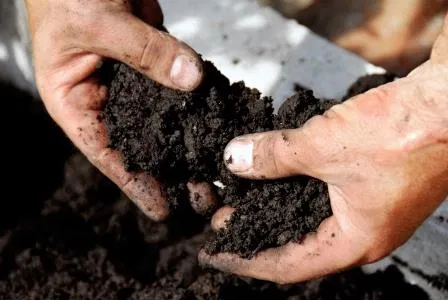
Nature abhors a vacuum. If you leave soil bare, the sun will bake the microbes, and the wind will carry away the topsoil. In our framework, "Armor" refers to keeping the soil surface covered at all times, either with crop residue (mulch) or living cover crops.
The Power of Photosynthesis:
Plants do more than just grow; they are carbon pumps. Through photosynthesis, plants channel 20-60% of their carbon energy into the soil as exudates: sugars and proteins that "feed" the soil biology.
For Beginners: Start by covering your garden beds with a layer of organic straw or wood chips.
For Experienced Growers: Integrate multi-species cover crops to ensure there is always a living root in the ground, even during the off-season. This maintains the "food line" for your microbial workers year-round.
Step 4: Re-inoculate with Rhizo Logic® Living Soil
If your soil has been sterilized by chemicals or extreme heat, the beneficial biology may be entirely absent. You can't just wait for it to return; you must re-introduce it. This is where the Rhizo Logic® system becomes essential.
Rhizo Logic® represents our gold standard for Living Soil. Unlike bagged "potting soil" which is often pasteurized, Rhizo Logic® is teeming with a diverse, lab-verified microbiome. When you incorporate Rhizo Logic™ Living Soil into your beds or pots, you are essentially "transplanting" a functioning immune system into your garden.
The Science of Rhizo Logic®
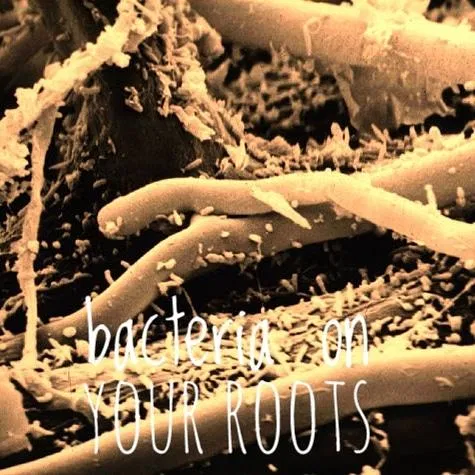
The key is microbial diversity. A healthy root zone requires a specific balance of:
- Beneficial Bacteria: Responsible for nitrogen fixation and solubilizing phosphorus.
- Mycorrhizal Fungi: Expanding the root system's reach by up to 100x to scout for water and minerals.
- Predatory Microbes: Such as protozoa, which consume bacteria and release plant-available nitrogen in the process.
Step 5: Biological Boosting with Terrabiotics
Once the framework is in place: assessment done, disturbance minimized, cover established, and biology inoculated: the final step is maintenance and acceleration. In the Regen Soil methodology, we use Terrabiotics to keep the system running at peak performance.
Our flagship Terrabiotic product is Bio-boost (specifically, Ultra Bio-boost Soil Recharge). While Rhizo Logic® provides the house and the residents, Bio-boost provides the fuel.
What is Bio-boost?
It is a concentrated soil recharge solution designed to stimulate existing microbial populations. Think of it as a catalyst that triggers nutrient cycling. By applying Ultra Bio-boost periodically, you ensure that the microbes remain active and the plants continue to receive a steady stream of bio-available nutrition without the need for synthetic salts.
Monitoring Your Progress
Soil restoration is a marathon, not a sprint. We recommend using digital monitoring tools to track your success. By measuring Electrical Conductivity (EC), moisture, and temperature, you can see in real-time how your living soil is responding to the framework.

Deep Dive: The "Why" Behind Soil Restoration
Why go through all this effort instead of just buying a bag of 10-10-10? The answer lies in long-term sustainability and plant health.
Synthetic fertilizers provide a "sugar hit" to plants, but they do nothing for soil health. In fact, they often kill the very microbes that plants rely on for defense. This makes the plants "addicted" to inputs and more susceptible to pests and diseases.
Living Soil (Rhizo Logic®) creates a resilient system where the plant and the soil are in constant communication. When a plant needs a specific mineral, it sends an exudate signal to the microbes, which then "mine" that mineral from the soil particles. This results in plants with higher terpene profiles, better nutritional density, and a much higher resistance to environmental stress.
FAQ: Common Questions on Soil Restoration
Q: How long does it take to see results?
A: While biological activity starts immediately after applying Rhizo Logic® and Bio-boost, true soil structure restoration can take 1 to 3 growing seasons depending on the initial state of the land.
Q: Can I use this framework for indoor growing?
A: Absolutely. Our Living Soil Patio Pro Kit is designed specifically for container and indoor environments, bringing the same regenerative principles to a smaller scale.
Q: Is "Living Soil" the same as organic soil?
A: Not necessarily. "Organic" simply means the inputs aren't synthetic. "Living Soil" means the biological community is active and cycling nutrients. You can have organic soil that is biologically dead.
Q: Do I still need to add fertilizer?
A: In a fully functioning living soil system, the need for external fertilizer is dramatically reduced. You shift from "feeding the plant" to "feeding the soil," allowing the microbes to handle the nutrient delivery.
Join the Regeneration Movement
Building soil from scratch is a journey of moving from a model of extraction to a model of partnership with nature. Whether you are a backyard gardener or a commercial farmer, the 5-step framework: Assessment, Minimal Disturbance, Living Cover, Rhizo Logic® Inoculation, and Terrabiotic Boosting: is the most effective way to ensure the long-term vitality of your land.
If you are ready to stop guessing and start growing, we are here to help. At Regen Soil, we provide the tools, the data, and the biology to make soil restoration simple and effective.
Have questions about your specific soil type? Drop a comment below or reach out to us for a personalized consultation. Let’s build something living together.


