
Soil Restoration Matters: Why Our Nation’s Topsoil Is Vanishing
Let’s have a heart-to-heart about the ground beneath your feet. Most people call it "dirt." We call it the foundation of civilization. But here’s the cold, hard truth: we are losing it. Fast.
According to global estimates, approximately 75 billion tons of soil are eroded annually from the world's terrestrial ecosystems. That is a number so large it’s hard to wrap your brain around, but think of it this way: we’ve already lost one-third of all arable land on the planet. If we were losing our bank accounts at that rate, we’d be screaming from the rooftops.
At Regen Soil, we believe that soil restoration isn't just a "green" hobby; it is a necessity for survival. Whether you are growing a few cannabis plants in your tent or managing a hundred-acre farm, understanding why our topsoil is vanishing, and how to bring it back to life, is the most important thing you’ll learn this year.
The Great Disappearing Act: Why Is Our Soil Vanishing?
Soil doesn’t just walk away on its own. It’s pushed. Decades of industrial agricultural practices have treated soil like a dead substrate, a mere sponge to hold synthetic chemicals, rather than a living organic system.
1. The Tillage Trap
The most common culprit is excessive tillage. When we flip the soil over with heavy machinery, we destroy the delicate fungal networks (mycelium) that hold the soil particles together. This leaves the soil loose, pulverized, and incredibly vulnerable to being blown away by wind or washed away by rain.
2. Chemical Overload
The heavy use of mineral fertilizers and pesticides kills the very microbes responsible for building soil structure. Without these "microbial architects," the soil loses its ability to aggregate. It becomes "dirt", lifeless, dusty, and prone to erosion.
3. Lack of Biodiversity
Mother Nature hates being naked. In a natural ecosystem, the ground is always covered with a diverse array of plants. Monocropping (growing only one thing) leaves the soil exposed for large parts of the year, leading to massive runoff and nutrient leaching.

Why Soil Loss Is a Carbon Crisis
Soil is the largest portion of active carbon on Earth. When we lose topsoil, we aren't just losing "mud"; we are releasing stored greenhouse gases back into the atmosphere.
Healthy, living soil acts as a massive carbon sink. The carbon within the soil builds its fertility, increases its water-retention capacity, and creates the structure necessary for roots to thrive. When the soil is degraded, it loses its ability to hold water, which leads to desertification and more frequent floods. It’s a vicious cycle that we are determined to break through soil restoration.
The Path to Restoration: How We Bring It Back
We don't just want to stop the bleeding; we want to heal the wound. Restoring soil is about moving from a "subtraction" mindset to an "addition" mindset. We focus on regenerative organic living systems that mimic nature.
Stop Tilling, Start Building
Reducing tillage frequency is step one. By leaving the soil undisturbed, we allow microbial populations to develop. These microbes produce "glues" (like glomalin) that bind soil particles into aggregates. This improves aeration and water infiltration, meaning your plants can breathe better and you use less water.
The Power of Cover Crops
Keep the soil covered! Adding legumes or diverse cover crops protects the surface from the elements and pumps carbon into the ground through root exudates. This is a game-changer for anyone looking to maintain soil health between primary harvests. For our cannabis growers, we’ve written a complete guide on using cover crops.
Reintroducing the Microbiome
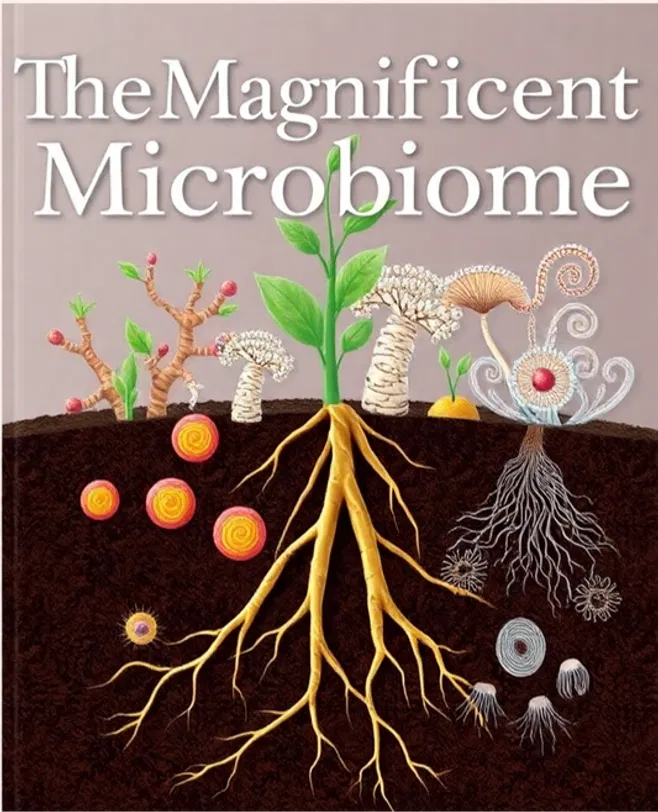
This is where the magic happens. Soil restoration is essentially "microbe farming." We need a diverse community of fungi, bacteria, protozoa, and nematodes to facilitate nutrient cycling. Without these guys, your plants are essentially on life support, relying on synthetic salts to survive.
Rhizo Logic®: The Science of Living Soil
At Regen Soil, we’ve spent years perfecting the art of microbial balance. Our Rhizo Logic® line is specifically designed to jumpstart the biological processes in your soil.
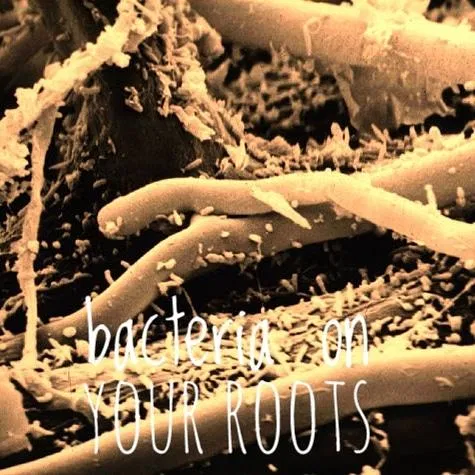
Unlike standard "fertilizers" that just dump nitrogen into the system, Rhizo Logic® products focus on the root-microbe interactions. We want to see those roots coated in beneficial bacteria, a phenomenon you can actually see under a microscope. When you have active microbial colonization, your plants gain access to minerals that were previously "locked" in the soil.
If you’re wondering where your soil stands, we highly recommend starting with our Initial Soil Health (ISH) Assessment. We don't guess; we test. We look at the biology, the chemistry, and the structure to give you a roadmap for restoration.
A Guide for Every Grower
Whether you’re just starting out or you’re a seasoned vet, soil restoration applies to you.
For the Beginners
- Don't over-manage: Stop digging. If you’re using pots, try our 5-Gallon Living Soil to see what a balanced ecosystem feels like.
- Mulch is your friend: Keep your soil surface covered with straw or wood chips to prevent evaporation and protect the microbes.
For Experienced Growers
- Focus on Fungal/Bacterial Ratios: Depending on what you’re growing, you may need more fungi or more bacteria. Cannabis, for example, loves a more fungal-dominant environment during its later stages. You can learn more about finding that balance here.
- Inoculate regularly: Use microbial brews to keep the population diverse.
For Commercial Operations
- Data-Driven Decisions: Soil restoration at scale requires precision. Use Initial Soil Health Assessments to monitor your progress and adjust your inputs.
- System Integration: Move away from heavy salts and integrate products like Terrabiotics Bio-boost to stimulate the existing biology without causing a "burn" or "crash" in the system.
The Pros and Cons of Restoration Methods
| Method | Pros | Cons |
|---|---|---|
| No-Till | Preserves fungal networks, reduces erosion, saves labor. | Can take 2-3 years to see full structural benefits. |
| Cover Cropping | Adds nitrogen naturally, prevents weeds, feeds microbes. | Requires management to ensure they don't compete with main crops. |
| Microbial Inoculation | Fast-tracks nutrient cycling, improves plant immunity. | Requires consistent moisture and organic matter to survive. |
| Synthetic Inputs | Immediate "green up" of plants. | Kills soil biology, causes leaching, leads to long-term soil death. |
Deep Dive: The Rhizophagy Cycle
We often get asked why microbes matter so much. It’s not just about breaking down old leaves. It’s about the Rhizophagy Cycle. This is a process where plants actually "eat" bacteria through their root tips, extract the nutrients, and then spit the bacteria back out into the soil to go find more nutrients. It’s a beautiful, symbiotic dance. If you’ve killed your bacteria with harsh chemicals, your plant is essentially "starving" even if the soil is full of minerals.
Frequently Asked Questions
Q: Can I restore soil that has been heavily treated with chemicals?
A: Absolutely. It takes time to flush the salts and rebuild the microbial life, but with consistent organic matter additions and microbial inoculation, even "dead" dirt can become thriving living soil again.
Q: Is living soil more expensive than traditional potting soil?
A: Upfront, maybe. But over time, it’s significantly cheaper. You’re building a self-sustaining system where the microbes do the work of fertilizing and pest control for you.
Q: How do I know if my soil is "restored"?
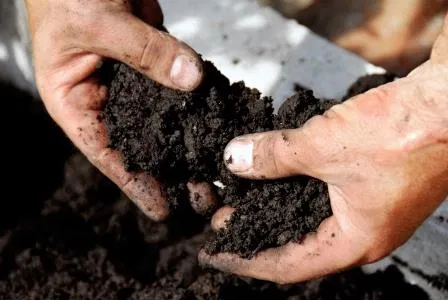
A: Look for the signs: dark, crumbly texture (like chocolate cake), the presence of earthworms, and plants that look vibrant without needing constant chemical feeding. For a scientific answer, get an ISH Assessment.
Join the Soil Revolution
We have a choice. We can continue to let our nation’s topsoil wash into the ocean, or we can take a stand and start building it back. Soil restoration isn’t just about better yields: it’s about harmony with nature and ensuring we leave a living planet for the next generation.
If you’re ready to stop using "dirt" and start growing in Living Soil, we’re here to help. Check out our Rhizo Logic® products or reach out to us for a consultation. Let’s bring your garden back to life.
What’s your experience with soil restoration? Have you seen the difference that living soil makes in your garden? Drop a comment below or send us a message: we’d love to hear your success stories!


