
Dead Dirt vs. Living Soil: Which Is Better for Growing Nutrient-Dense Food?
By Jeremy Standring
If you’ve ever bitten into a grocery store tomato and felt like you were chewing on a watery, red-tinted sponge, you’ve experienced the end result of "dead dirt" farming. It looks like a tomato. It’s shaped like a tomato. But biologically and nutritionally? It’s a ghost of what a tomato should be.
At Regen Soil, we don’t just look at what’s growing above the ground; we obsess over what’s happening beneath it. The truth is, most of the agricultural world treats soil like an inert medium: a blank slate to be pumped full of synthetic chemicals. We call this "dead dirt." In contrast, living soil is a thriving, breathing ecosystem.
If your goal is to grow nutrient-dense food: the kind that actually feeds your cells and fuels your health: the choice between dirt and soil isn't just a preference; it’s a biological imperative.
The Great Nutritional Decline: Why Modern Food is Failing Us
We aren't just imagining things; the food our grandparents ate was objectively more nutritious than what we find on shelves today. According to a landmark 2004 study by researchers at the University of Texas, which examined USDA nutritional data from 1950 to 1999, there has been a "statistically reliable decline" in protein, calcium, phosphorus, iron, riboflavin, and vitamin C across 43 different vegetables and fruits.
On average, the nutritional value of our produce has dropped between 5% and 40% over the last half-century. Why? Because modern commercial farming focuses on two things: yield and shelf-life. By relying on synthetic fertilizers (the N-P-K paradigm), we’ve forced plants to grow faster and larger, but at the cost of their internal chemistry.
When we treat soil like dead dirt, we bypass the natural nutrient cycling that only occurs when biology is present. A 2014 meta-analysis in the British Journal of Nutrition confirmed that organically grown crops: those typically grown in systems that prioritize soil health: contain significantly higher levels of phytonutrients and antioxidants.
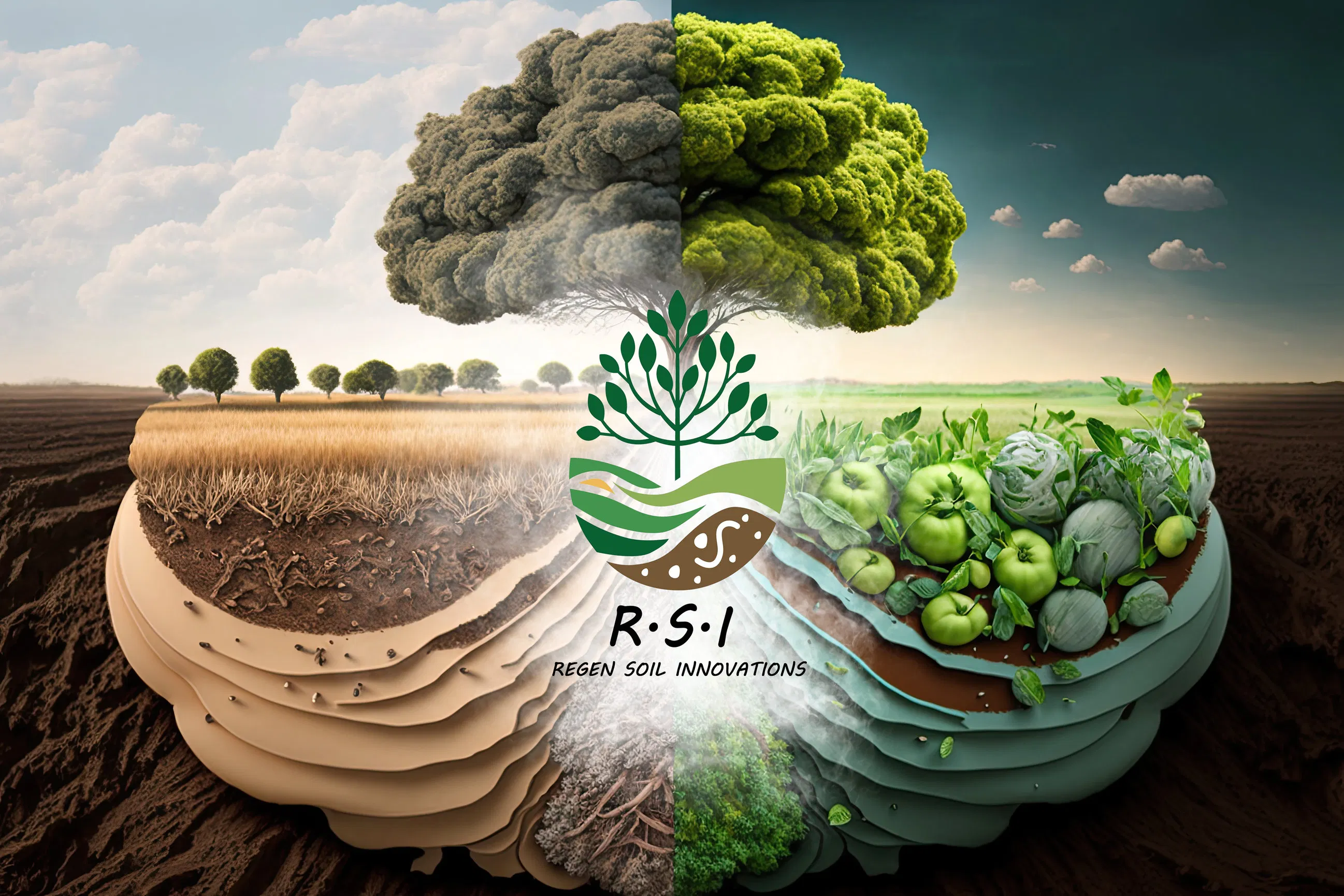
Dead Dirt vs. Living Soil: A Systems-Thinking Comparison
To understand why living soil produces better food, we have to look at the "why" behind the "how." We view soil as a living system, not a chemistry set.
1. The Chemistry Approach (Dead Dirt)
In a dead dirt system, the soil is essentially a structural support for the roots. All nutrition comes from a bottle or a bag.
- The Mechanism: Soluble synthetic salts (fertilizers) are dissolved in water and delivered directly to the roots.
- The Flaw: This "force-feeding" makes plants lazy. They stop producing the carbon-rich exudates that attract microbes. Because there is no microbial life, the plant loses its ability to access trace minerals locked in the soil particles.
- The Result: High yields, but lower nutrient density and increased susceptibility to pests and disease (which then requires more chemical "cures").
2. The Biological Approach (Living Soil)
Living soil is an underground marketplace. It’s a complex web of bacteria, fungi, protozoa, and nematodes.
- The Mechanism: Plants photosynthesize and send up to 40% of their carbon energy down into the roots as "exudates" (sugars). This is a bribe for the soil biology.
- The Advantage: In exchange for these sugars, Rhizo Logic®-driven microbial populations mine the soil for minerals, fix nitrogen from the air, and deliver customized nutrition to the plant in real-time.
- The Result: Plants with higher Brix levels (sugar content), complex terpene profiles, and a full spectrum of bioavailable minerals.
The Secret Weapon: Mycorrhizal Fungi and Root Expansion
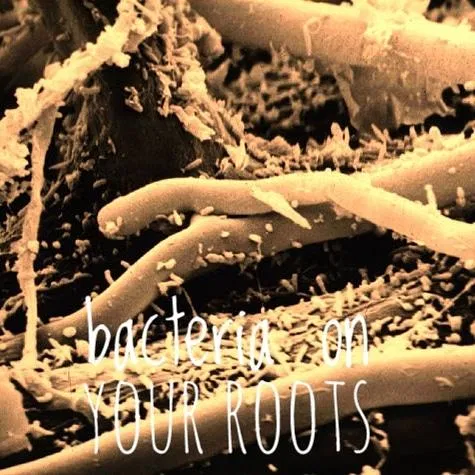
One of the biggest differences we see at Regen Soil involves the "reach" of the plant. In dead dirt, a root can only absorb what it physically touches. In living soil, we utilize the power of fungi.
Mycorrhizal fungi act as a secondary root system. They physically weave themselves into the plant roots and extend out into the soil, effectively increasing the root surface area by up to 400 times. This allows the plant to "reach" for phosphorus, zinc, and copper that would otherwise be completely inaccessible. Field trials have shown that when these fungal networks are established, yields can jump by 25% or more: not because we added more "food," but because the plant finally had the tools to eat what was already there.
How We Restore the Life: The RSI Method
If you’re currently dealing with dead dirt, don't panic. Soil is incredibly resilient. We’ve developed the RSI Method to help growers transition from chemical dependency to biological harmony.
- Stop the Tillage: Every time you turn the soil, you’re essentially "tornado-ing" a microscopic city. We advocate for minimal disturbance to keep those fungal networks intact.
- Inoculate with Biology: If your soil has been treated with chemicals, the native microbes are likely gone. Our Rhizo Logic® products are designed to reintroduce the specific bacterial and fungal colonies needed to kickstart the nutrient cycle.
- Feed the Soil, Not the Plant: Instead of synthetic NPK, use high-quality organic matter. For those looking for a boost without breaking the biological cycle, products like Bio-boost from Terrabiotics can provide the necessary kick while staying within the regenerative framework.
- Monitor the Metrics: You can't manage what you don't measure. We use tools like the Initial Soil Health (ISH) Assessment to see exactly who is living in your soil.

Tailoring the Approach: Who Are You Growing For?
For the Beginners
If you're just starting out in your backyard, don't overcomplicate it. Start with a 5-gallon Living Soil setup. This provides a controlled environment where the biology is already balanced, giving you a taste of what nutrient-dense, home-grown food actually tastes like.
For the Experienced Growers
If you've been growing for years but feel like you've hit a plateau, it’s time to look at your fungal-to-bacterial ratios. Most vegetable gardens are bacterially dominant, which is great for weeds but not always ideal for high-value crops. Understanding these ratios is the key to moving from "organic" to "regenerative." Check out our deep dive on Fungal/Bacteria ratios.
For Commercial Operations
In a commercial setting, "dead dirt" is an expensive liability. Between the rising cost of synthetic fertilizers and the declining health of the land, the old model is breaking. Transitioning to living soil can slash fertilizer costs by up to 70% because the biology starts doing the work for you. We specialize in scaling these systems for larger operations that need to maintain profitability while restoring their land.
FAQ: Common Misconceptions About Living Soil
Q: Is living soil more expensive than traditional fertilizer?
A: Initially, there is an investment in biology. However, over time, living soil becomes self-sustaining. You stop buying "inputs" and start managing an "ecosystem." In the long run, it is significantly cheaper.
Q: Does living soil attract more pests?
A: Actually, it’s the opposite. Plants grown in living soil have stronger cell walls and higher sugar content (Brix), which makes them naturally resistant to many pests and diseases like grey mold.
Q: Can I use living soil in pots?
A: Absolutely. In fact, container gardening is one of the best places to see the benefits of Rhizo Logic® products, as it creates a "closed loop" of nutrition.
Final Thoughts: The Path to Nutrient Density
The difference between dead dirt and living soil is the difference between a house and a home. One is just a structure; the other is filled with life, energy, and connection.
When we choose to foster soil health, we aren't just growing better food: we are participating in the restoration of our planet's most vital resource. Whether you are a home gardener or a large-scale farmer, the shift toward regenerative living systems is the only way to ensure that the food we grow today is as nourishing as the food grown a century ago.
Ready to see what's actually living in your dirt? Explore our Initial Soil Health Assessment today and let's start your journey from dead dirt to living soil.
Got questions about your specific soil setup? Drop a comment below or reach out to us directly. We’re here to help you grow the best food of your life.


