
5 Steps How to Restore Soil Health and Grow Organic Food (Easy Guide for Patio Gardeners)
By Jeremy Standring
For many urban and suburban dwellers, the dream of growing organic food is often sidelined by the reality of limited space. However, at Regen Soil, we believe that the size of your garden doesn't dictate the quality of your harvest; the health of your soil does. Whether you are working with a few fabric pots on a balcony or a series of raised beds on a small patio, the principles of regenerative agriculture apply.
Restoring soil health is not just about adding fertilizer. It is about transitioning from "dirt", a lifeless medium used to hold plants upright, to Living Soil, a thriving biological community. In this guide, we will walk you through five actionable steps to restore soil health in your patio garden using science-backed methods and our proprietary systems.
Understanding the Living Ecosystem: Dirt vs. Living Soil
Before we dive into the steps, we must understand the "why" behind soil restoration. In a conventional setup, gardeners often rely on synthetic NPK (Nitrogen, Phosphorus, Potassium) fertilizers. While these provide a temporary growth spurt, they eventually degrade the soil structure and kill off beneficial microbial populations.
Living Soil, specifically our Rhizo Logic® line, functions as a self-sustaining ecosystem. It involves nutrient cycling, where microbes break down organic matter into bioavailable forms that plants can actually absorb. When you restore soil health, you are essentially rebuilding the "biological engine" of your garden.
Comparative Analysis: Synthetic Approach vs. Regenerative Approach
| Feature | Synthetic Approach (Conventional) | Regenerative Approach (Living Soil) |
|---|---|---|
| Nutrient Source | Water-soluble chemical salts | Organic matter & microbial cycling |
| Soil Structure | Becomes compacted and hydrophobic | Beaten, airy, and water-retentive |
| Plant Immunity | Low; requires chemical pesticides | High; supported by systemic resistance |
| Sustainability | Requires constant external inputs | Becomes more fertile over time |
Step 1: Break the Chemical Dependency
The first step in any restoration project is to stop the damage. For patio gardeners, this means moving away from synthetic "blue liquid" fertilizers and chemical pesticides. These substances are detrimental to the delicate fungi and bacteria that facilitate plant growth.
We recommend a complete "detox" of your existing pots. If you have been using synthetic inputs, the residual salts may have inhibited the growth of beneficial microorganisms. By switching to organic inputs and focusing on biological diversity, you allow the soil's natural immune system to reboot.
Step 2: Establish the Foundation with Rhizo Logic® Living Soil
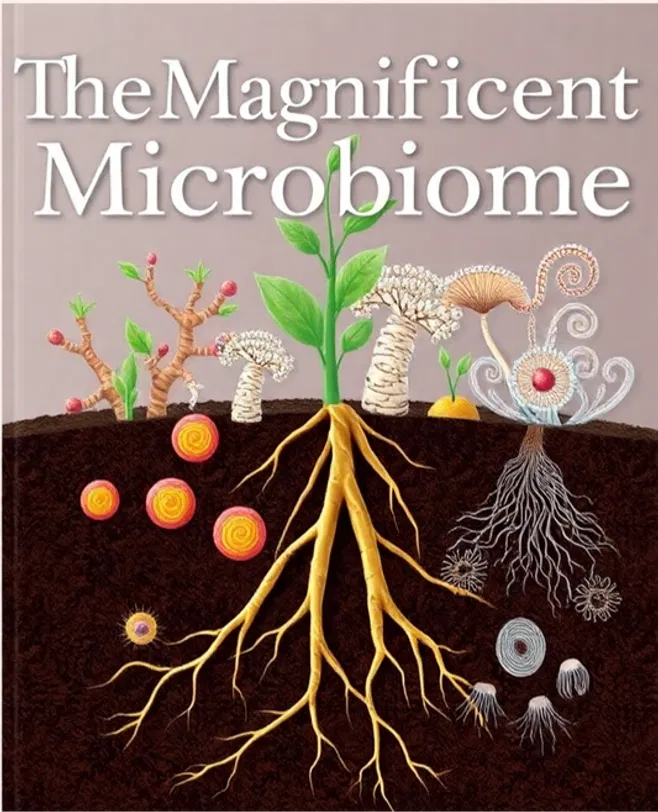
Restoration is difficult if you are starting with poor-quality potting mix that is mostly peat and perlite. To grow nutrient-dense organic food, you need a substrate designed for biological activity. This is where Rhizo Logic® (our signature Living Soil) comes into play.
Rhizo Logic® is not just dirt; it is a complex blend of organic amendments, minerals, and a diverse inoculum of beneficial microbes. For patio gardeners, we suggest using a high-quality container like those found in our Living Soil Patio Pro Kit.
The RSI Method (Regen Soil Innovations):
We utilize a specific framework for soil health that focuses on three pillars:
- Physical Structure: Ensuring proper aeration and drainage.
- Chemical Balance: Maintaining optimal pH and mineral ratios.
- Biological Vitality: Inoculating the soil with the right "workers" (microbes).
By starting with a foundation of Rhizo Logic® Living Soil, you bypass years of traditional soil building and jump straight into a productive ecosystem.
Step 3: Inoculate and Fuel with Bio-boost (Terrabiotics)
Once the foundation is set, you must maintain the microbial momentum. In a closed container system, nutrients can be used up quickly. Instead of reaching for chemicals, we use Terrabiotics.
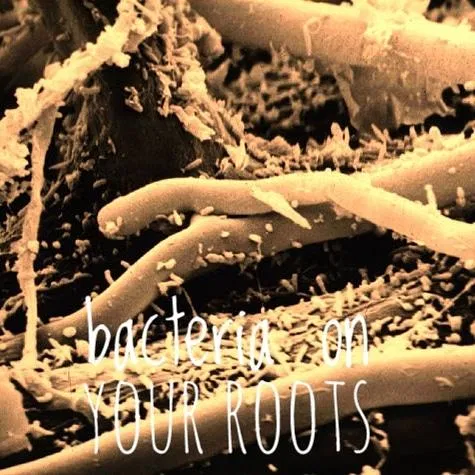
Our Bio-boost (specifically Ultra Bio Boost) acts as a biological catalyst. It contains a concentrated blend of beneficial bacteria and fungi that work in the rhizosphere, the area of soil immediately surrounding plant roots.
How Bio-boost Works:
- Solubilization: Microbes in Bio-boost help "unlock" minerals that are bound in the soil.
- Protection: Beneficial bacteria coat the roots, preventing pathogens from taking hold.
- Growth Stimulation: Certain microbes produce natural hormones that encourage deep root penetration.
For patio gardeners, applying Ultra Bio Boost Soil Recharge once every two weeks is the most effective way to ensure your living soil remains "living" throughout the growing season.
Step 4: Protect the Soil Architecture (Minimal Disturbance)
One of the biggest mistakes patio gardeners make is "fluffing" or tilling their soil every season. In the world of regenerative agriculture, tillage is viewed as a catastrophic event for the soil microbiome.
When you turn the soil, you shatter the delicate fungal networks (mycelium) and expose anaerobic microbes to oxygen, killing them instantly. To restore soil health:
- Never leave soil bare: Use a layer of organic mulch (straw, wood chips, or dried leaves) to protect the surface from UV rays and moisture loss.
- No-Till Planting: When a plant finishes its life cycle, cut it at the base and leave the roots in the pot. These roots will decompose, creating natural "highways" for air and water to reach the next plant's root system.
- Top-Dressing: Instead of mixing in fertilizers, simply lay your amendments or compost on top and let the rain (or your watering can) wash the nutrients down.

Step 5: Diversify Your Micro-Crops
In nature, you rarely see a monoculture. Diversifying the plants in your patio garden leads to a more robust soil ecosystem. Different plants exude different types of sugars and carbohydrates (exudates) through their roots, which attract different types of microbes.
Beginner Strategy:
Try "companion planting" in your containers. For example, plant tomatoes with basil and marigolds. The tomato provides shade, the basil benefits from the tomato's root exudates, and the marigolds help deter pests, all while creating a more diverse microbial community beneath the surface.
Experienced Grower Tip:
Utilize "living mulches" or cover crops even in small pots during the off-season. Planting a small amount of clover or vetch can help fix nitrogen naturally, preparing the soil for your next heavy feeder like peppers or kale.
Deep Dive: Monitoring Your Progress
How do you know if your restoration efforts are working? In the past, soil testing required sending samples to a lab and waiting weeks for results. Today, we use real-time data.
We recommend monitoring three key metrics:
- Volumetric Water Content (VWC): Living soil holds water differently than peat-based mixes. Healthy soil should feel like a wrung-out sponge.
- Electrical Conductivity (EC): This measures the salt/nutrient levels. In a living soil system, we look for stable EC levels that indicate active nutrient cycling rather than "spikes" from synthetic fertilizers.
- Visual Indicators: Look for "aggregates", small clumps of soil held together by microbial "glue" (glomalin). If your soil looks like cottage cheese rather than dust, you are succeeding.

Frequently Asked Questions (FAQ)
Can I reuse my potting soil from last year?
Yes. With the RSI Method, you don't throw soil away. You "recharge" it. By adding a fresh layer of Rhizo Logic® and inoculating with Bio-boost, you can use the same soil for years, and it will actually get better over time.
Is living soil messy for a patio?
Not at all. While it is biologically active, it shouldn't have a foul odor. Healthy living soil smells like a fresh forest floor. If it smells "sour," it likely lacks oxygen, and you may need to adjust your watering habits.
Why is my organic food not growing as fast as my neighbor's who uses chemicals?
Chemical fertilizers force-feed plants, resulting in watery, rapid growth that is often low in nutrients. Living soil focuses on building the plant's structural integrity and nutrient density first. You might see slightly slower initial growth, but the end result is a hardier plant and much tastier, healthier food.
Do I need worms in my patio pots?
While not strictly necessary for balcony pots, adding a few red wigglers can accelerate the restoration process. They act as "micro-tillers," aerating the soil and providing highly concentrated fertilizer in the form of castings.
Conclusion: Join the Regeneration
Restoring soil health is a journey, not a destination. By following these five steps, eliminating chemicals, using Rhizo Logic® Living Soil, feeding with Bio-boost, minimizing disturbance, and increasing diversity: you are doing more than just growing a salad. You are participating in a global movement toward sustainability and food sovereignty.
We invite you to explore our full range of products designed specifically for the modern regenerative gardener. If you're ready to take the next step in your soil health journey, consider booking an ISH Assessment to get a deep dive into your specific soil needs.
Are you ready to transform your patio into a thriving ecosystem? Comment below with your biggest gardening challenge, or contact us for personalized advice!


